Projects
Ethnography: Research, Writing, and Representation
Resources that support learning and practicing ethnographic method and writing.
Multimodal Ethnography
A resource for students, instructors, and anyone else who might be curious about methodological variation in anthropology, ethnography, writing, and beyond.

Ethnographic Vignette Printer
An interactive, engaging tool to help students learn the craft of ethnographic writing through reading and reflecting on ethnographic vignettes printed on receipt-sized roll paper.
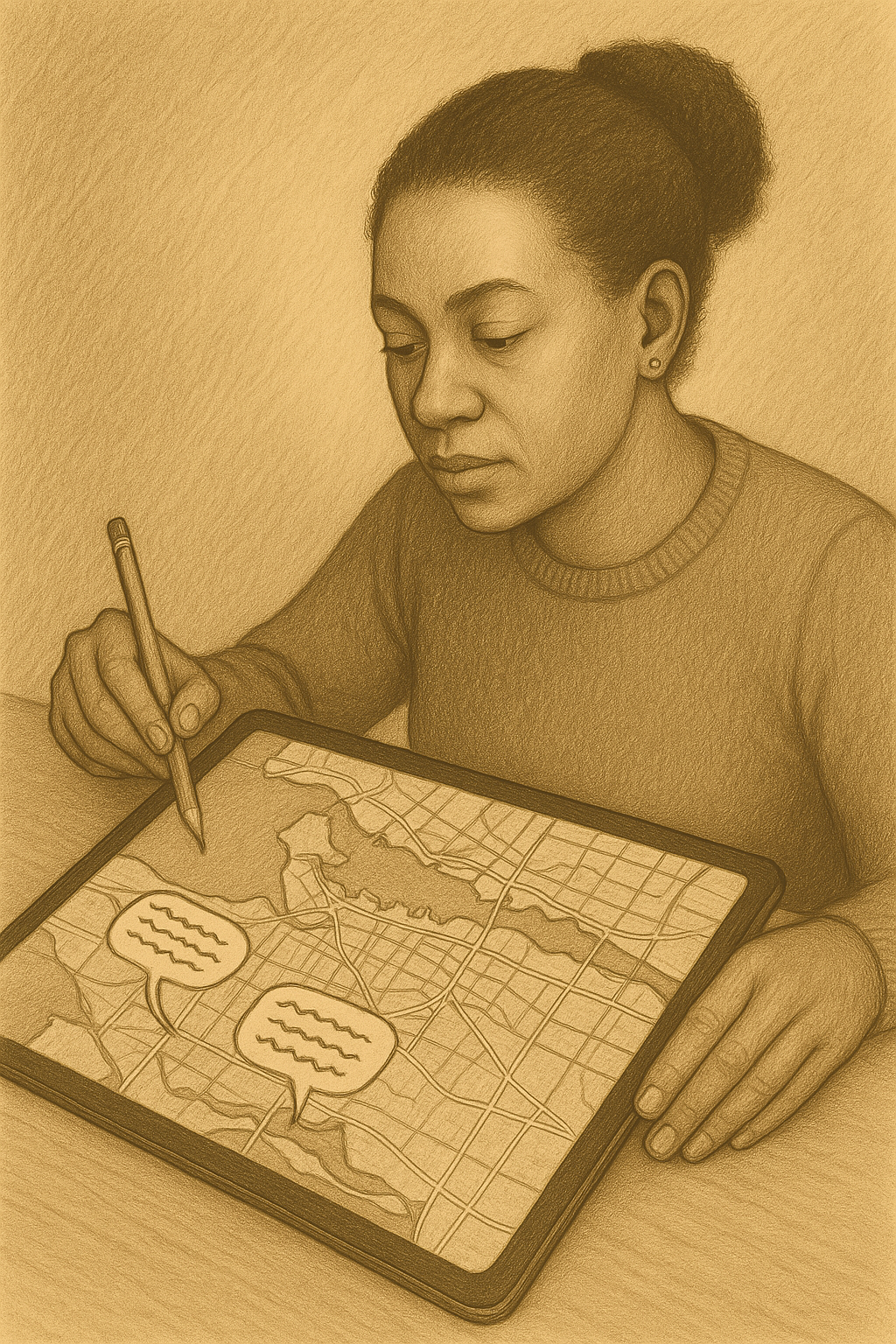
Ethnographic Mapping
These tools let you create ethnographic annotations as points, paths, and areas on either an interactive world map or a floor plan, architectural drawing, or any other image. Fieldnotes are stored locally in your browser and can be filtered, searched, exported, and imported.
FieldWeaver
Designed for ethnographers and other field researchers, FieldWeaver allows you to map, categorize, and connect the various entities that constitute your fieldsite.
History, Theory, and the Making of Anthropology
Resources that situate anthropology’s ideas, debates, and lineages.
Anthro Chronicle
An open-access interactive, multimedia timeline of anthropology for students, instructors, or anyone who might be interested in the history of the discipline.
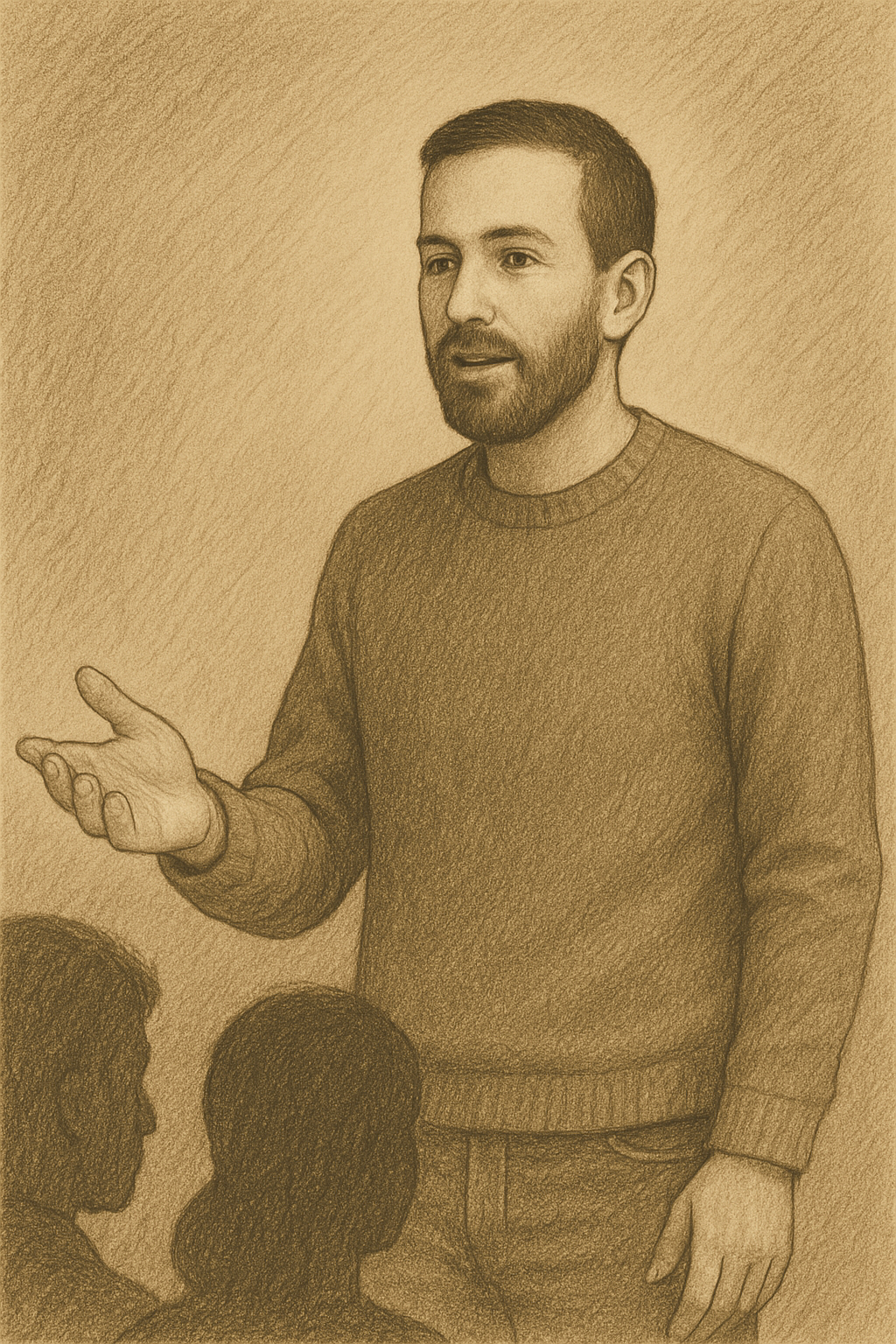
Drop-in Dialogues
A pedagogical tool that helps students engage with anthropology through short, focused encounters with talks by leading anthropologists and ethnographic media.
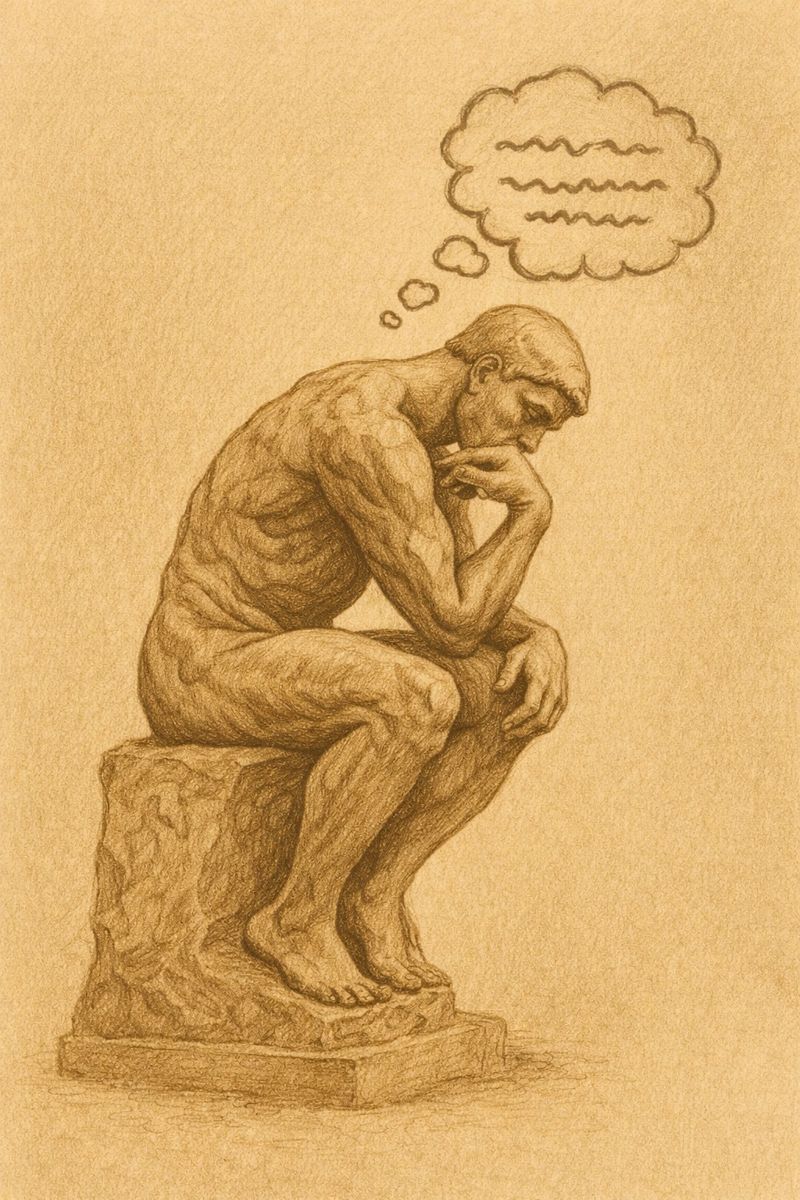
Anthrocase Player
AnthroCase Player is a teaching tool for a specific—and often under-taught—threshold skill in anthropology: learning to think with concepts, not merely about them.